Understanding the Environmental Impact of Your Septic System Jul 13, 2026
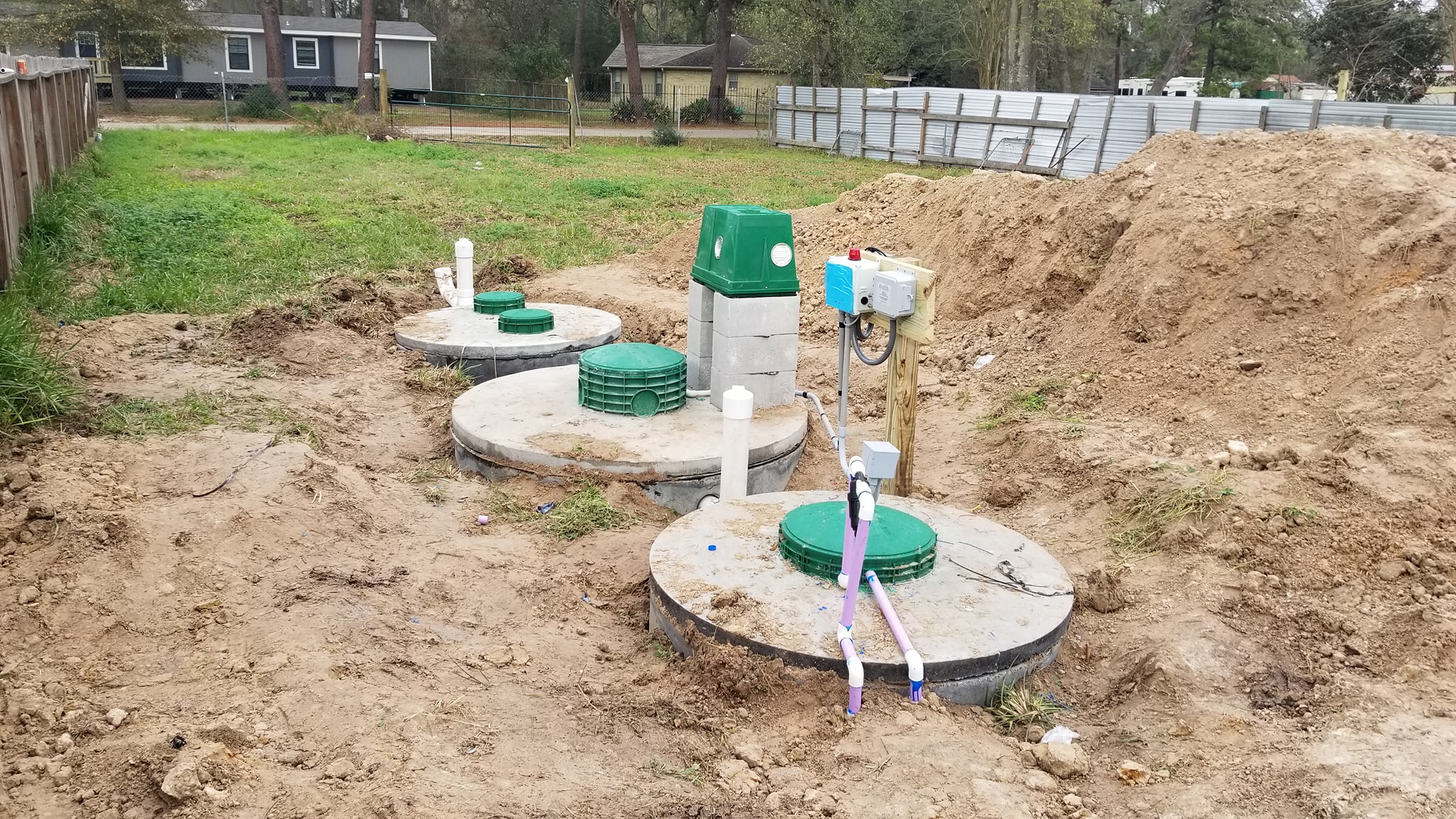
A septic system primarily comprises a septic tank and a drain field. Wastewater from your home flows into the tank, where solids settle at the bottom, and liquids flow out into the drain field for further treatment. While these systems are generally efficient, they can have environmental impacts if not properly maintained.
One significant environmental concern is the potential for water pollution. A failing septic system can leak untreated wastewater into the surrounding soil and groundwater. This leakage can introduce pathogens, nitrates, and other pollutants into nearby water bodies, potentially harming wildlife and contaminating drinking water supplies. Regular maintenance of your septic system is crucial to prevent such occurrences. Washington Boyz Septic recommends scheduling routine inspections and pumping every three to five years to ensure your system is functioning correctly.
Another environmental impact of septic systems is the emission of greenhouse gases. Septic tanks produce methane during the breakdown of organic matter. Methane is a potent greenhouse gas that contributes to climate change. Although septic systems are not the largest source of methane emissions, reducing these emissions is a positive step towards a cleaner environment. Washington Boyz Septic encourages customers to explore advanced septic technologies that reduce methane emissions and improve overall system efficiency.
Proper septic system use is equally important in minimizing environmental impact. Overloading the system with excessive water or non-biodegradable substances can lead to system failure and environmental contamination. For instance, flushing non-degradable items like wipes or using harsh chemical cleaners can disrupt the natural breakdown processes in your septic tank. To keep your system running smoothly and reduce its environmental footprint, you should avoid these practices. Installing water-saving fixtures and spreading out laundry loads can also help maintain the system’s balance.
Finally, consider the location of your septic system. The proximity to water sources and soil type can significantly affect your system's efficiency and environmental impact. A poorly sited septic system is more prone to leaks and pollution. Washington Boyz Septic offers professional consulting to help determine the best location for your septic system installation and to ensure it complies with environmental regulations.
In conclusion, while septic systems remain an integral part of modern sanitation, their potential environmental impacts cannot be ignored. By adhering to regular maintenance schedules, using the system wisely, reducing water usage, and involving experts in system placement and technology choices, homeowners can significantly minimize negative effects on the environment. Washington Boyz Septic is committed to helping you achieve a sustainable balance with your septic system, ensuring it works efficiently while protecting our precious natural resources. By taking a proactive approach, we can all contribute to a healthier environment for future generations.
/filters:no_upscale()/filters:format(webp)/media/46337eed-11f4-4c2e-bb58-32db55c1b6c4.jpeg)