From Drains to Tanks: Understanding the Full Septic System Lifespan Jul 04, 2026
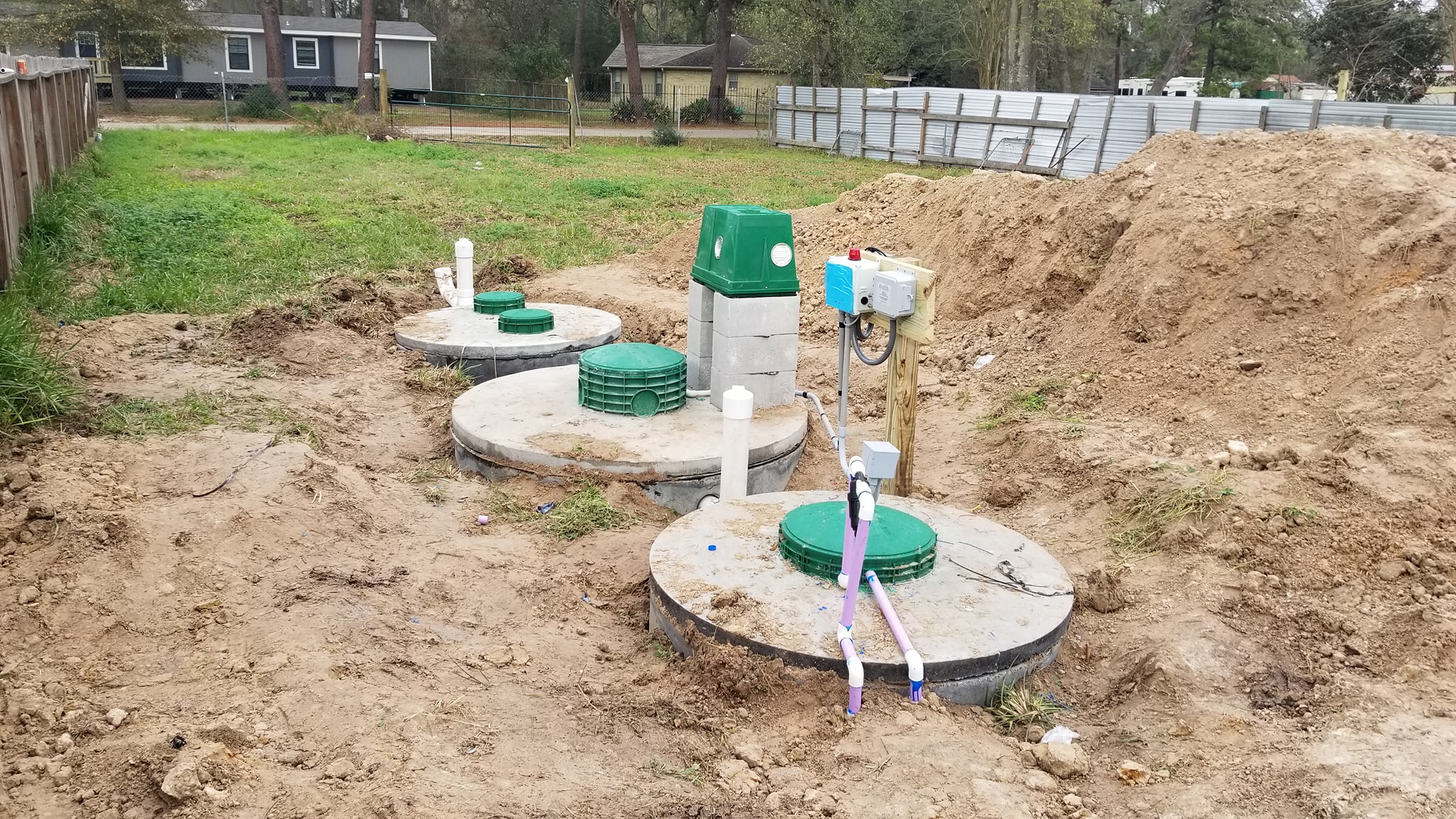
At the heart of every septic system is the septic tank, an underground chamber where waste is collected and treated before it naturally disperses into the surrounding soil. There are several factors that affect the lifespan of your septic system. On average, a well-maintained septic system can last between 20 to 30 years, but this can vary significantly based on usage, maintenance, and the materials from which the system is constructed.
Starting at the drains, water and waste flow from your home’s plumbing into the septic tank. Here, solids settle to the bottom forming sludge, while oils and grease float to the top as scum. The middle layer contains clearer water that exits into the drain field, sometimes known as the leach field. It's crucial to regularly pump your septic tank, as an overload of sludge can lead to backups and damage, significantly shortening its lifespan.
Proper maintenance is essential to extend the life of your septic system. Regular inspections by a trusted septic services provider like Washington Boyz Septic ensure that everything is functioning correctly. These professionals can assess whether your tank needs cleaning — a procedure generally recommended every three to five years depending on household size and usage. A well-maintained system not only extends equipment life but also keeps unpleasant and costly issues at bay.
The drain field, a part of the septic system often overlooked, is where wastewater exits the tank and is further treated by soil bacteria. It's important to protect this area to prevent soil compaction which can disturb the natural filtration process. Simple habits, such as avoiding driving over the drain field and ensuring that landscaping does not involve deep-rooted plants or trees, can prevent damage and prolong system life.
Another crucial factor is your water usage habits. Reducing water usage lessens the load on your septic system. Installing high-efficiency toilets, fixing leaks promptly, and spreading laundry loads throughout the week rather than all at once can all ease the burden on your drains and tank.
Remember, not everything should go down the drain. Avoiding harsh chemicals, which can kill the good bacteria that break down waste in the septic tank, is one such practice. Also, refrain from flushing items that don’t decompose easily, like wipes, sanitary products, or cotton balls. This diligence not only helps your system function better but increases its longevity.
To conclude, understanding your septic system’s lifespan and how to maintain it is foundational to avoiding unexpected problems and expenses. While average lifespans are helpful guides, your actions play a critical role. Regular maintenance through professional services like those offered by Washington Boyz Septic, along with mindful usage, ensures that your septic system will serve you well for years to come. Knowing the cycle from drains to tanks empowers homeowners to proactively care for their septic systems, making informed decisions that protect their investment and the environment.
/filters:no_upscale()/filters:format(webp)/media/46337eed-11f4-4c2e-bb58-32db55c1b6c4.jpeg)