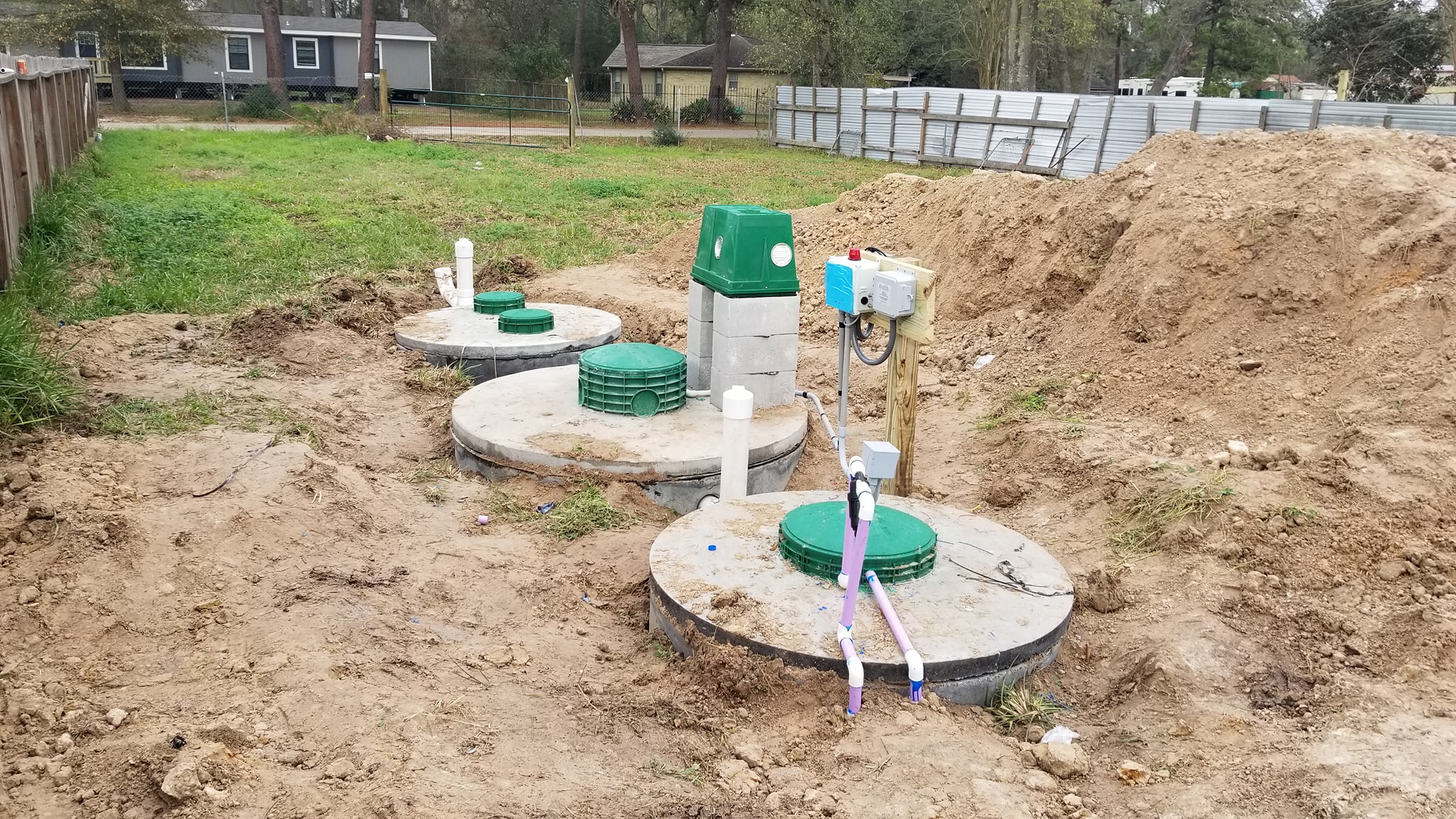
Five Common Septic System Problems and How to Avoid Them Jul 03, 2026
The first and perhaps most prevalent septic system issue is system overload. This occurs when too much wastewater enters the septic tank before it properly processes existing waste. Consequently, this can lead to backups and potential system failure. To avoid system overload, it's essential to monitor water usage within your household. Simple changes like fixing leaky faucets, not running multiple water-using appliances simultaneously, and being mindful of daily water usage can make a significant difference.
Another common problem is poor maintenance. Many homeowners overlook regular septic tank inspections and cleanings, which are crucial for keeping the system in good working condition. The team at Washington Boyz Septic recommends scheduling a professional inspection every one to three years, depending on the size of your household and the age of your septic system. Regular inspections can identify minor issues before they escalate into severe problems, making ongoing maintenance a simple yet vital step.
Improper waste disposal is a frequent cause of septic system malfunctions. Items like oils, fats, coffee grounds, and non-biodegradable products can clog pipes and reduce the system’s efficiency. Educating family members on what can and cannot be flushed or washed down the drain is a proactive approach. A rule of thumb is to dispose of anything other than wastewater and human waste in the trash rather than in your septic system. Adopting these waste management practices will help keep your septic system running smoothly.
Tree root intrusion is another issue that can compromise the integrity of your septic system. Roots from large trees or shrubs can invade and damage septic pipes, often resulting in expensive repairs. When considering landscaping, plan thoughtfully, and avoid planting trees or large shrubs near the septic tank or drainage field. If roots are already an issue, professional help will likely be necessary to manage the situation effectively.
Lastly, drain field failure can occur due to improper design, overloaded systems, or a collapsed field. This problem can lead to sewage backup and foul odors around the home. Preventative measures include limiting the use of heavy machinery over the drain field and ensuring proper design and construction during the initial system installation. Regular assessments by a trained professional can detect early signs of drain field problems and advise on corrective actions.
In conclusion, while septic systems can encounter a variety of problems, being informed and proactive about maintenance can help avoid many of these issues. At Washington Boyz Septic, our goal is to provide you with the resources and services needed to maintain a healthy, long-lasting septic system. If you have questions or need assistance with your septic system, our experienced team is just a call away, ready to help you manage these challenges effectively. Remember, investing in prevention today can save you from troublesome repairs tomorrow.
/filters:no_upscale()/filters:format(webp)/media/46337eed-11f4-4c2e-bb58-32db55c1b6c4.jpeg)